The Interwoven Narrative Hubs & Shifting Shores are VAHA Programme funded projects. VAHA is an initiative of Anadolu Kültür and zusa, funded by Stiftung Mercatorand the European Cultural Foundation. The first phase of the project Interwove Narrtives Hub was implemented by Famagusta New Museum, Center of Performing Arts – MITOS and Famagusta Walled City Association.
The initiative engaged communities in Cyprus through four key activities that linked public spaces with personal histories. These included creating an alternative Famagusta booklet, exploring shared intangible heritage via food and memories, expanding the oral history archive and hosting a two events one in Limassol and one in Famagusta with discussions, walking tours and other activities. By combining technology with personal narratives, the initiative encouraged intercommunal cooperation and helped people reimagine Cyprus’ shared past and future. Through these activities, partners worked together to promote understanding and cultural continuity, offering resources such as the Famagusta booklet, culinary workshops, new sound maps, one for Famagusta and one for Limassol and the “Remembering Together” events to deepen public engagement and strengthen community bonds.
The partners came together under the motto of ‘Coming Together to Claim the Public Spaces’ and they did!
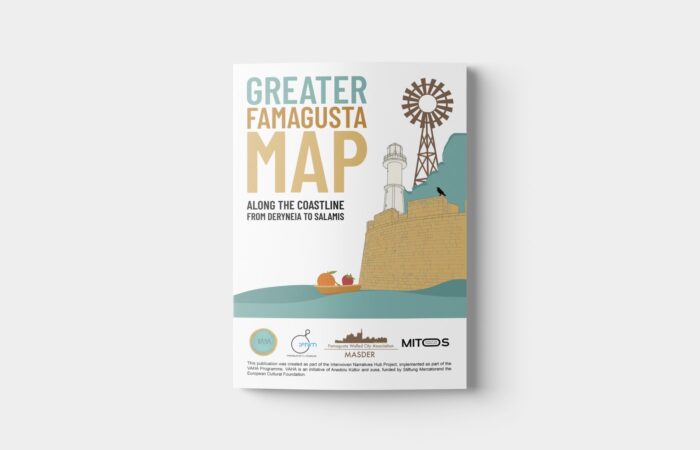
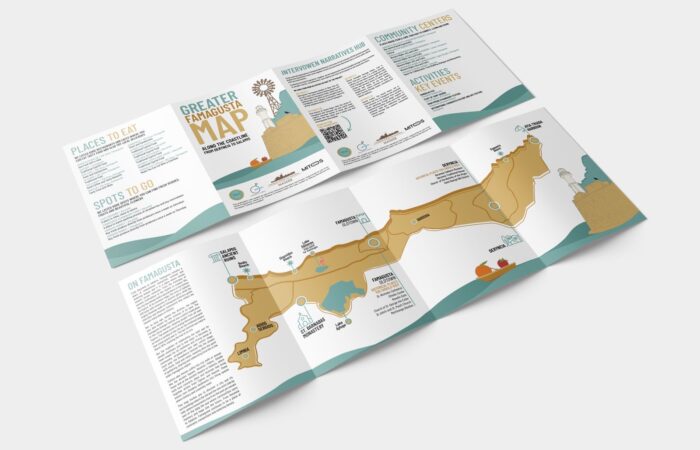
How do we tell a city’s story without leaving anyone out? The Alternative Famagusta Booklet offered a more inclusive view of Famagusta, covering the entire region from Salamis to Agia Napa and highlighting both well-known and lesser-known locations. It aimed to showcase the city beyond traditional touristic narratives, reflecting the experiences and histories of all communities in the area.
The booklet and accompanying map were launched in September 2025 during an in-person event in Famagusta. The map was the first of its kind to present Famagusta as a whole, listing places of interest that extend beyond typical tourist routes. It also complemented the initiative’s sound maps, allowing users to explore the city from Deryneia to Salamis Ancient City while listening to personal stories from past and present residents.
Copies of the booklet and map are available at the Famagusta Walled City Association in Famagusta and at The Old Vinegar Factory, MITOS’ performance space in Limassol, providing both locals and visitors with a resource to engage more deeply with the city’s cultural and historical landscape.
Food is more than just a meal; it is a bridge between cultures.
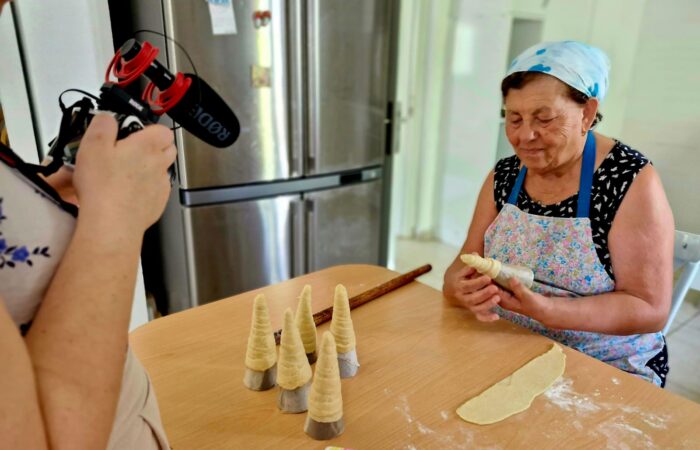
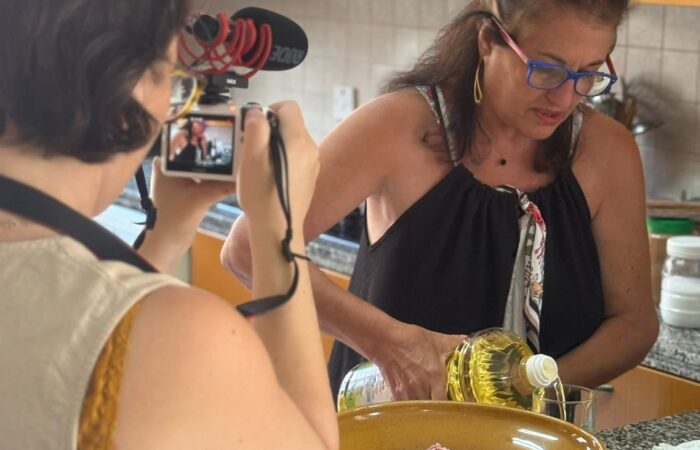
As part of this activity, the initiative explored how culinary traditions can connect communities and preserve shared memories. We worked with Joy of Origins to create two short documentaries that capture memory through food.
In the first video, Maro from Varosi, Famagusta shares her childhood memories and her life in Limassol after 1974, and cooks Cauliflower Kapamas, a dish she brought with her from Famagusta. A story of memory, resilience and tradition.
In the second video, Kıymet prepares Leymosun Dadlısı, known in the past as Garavolli Gurabiyesi, and shares her memories of life in Limassol before 1974, her experiences after 1974, and her journey through university education. A journey through taste, memory and perseverance.
The videos were screened during both of the initiative’s in-person events, and attendees in Famagusta had the chance to taste the Leymosun Dadlısı made by Kıymet Alibey.
The videos were made publicly available on our Facebook page in full and continue to be screened at various events, allowing audiences to explore the tastes, stories and histories that connect communities across Cyprus.
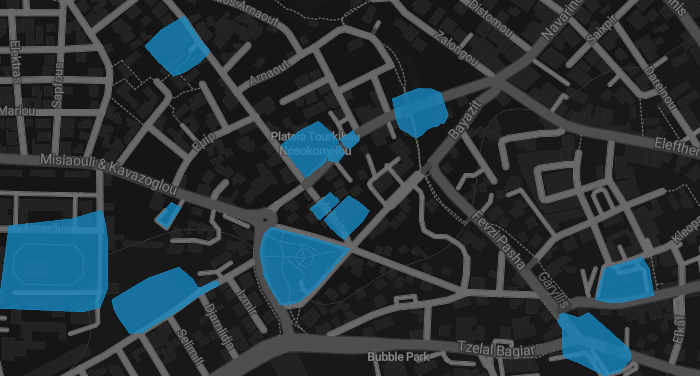
As part of the initiative, two sound maps were created: one for Limassol and one for Famagusta. The Limassol map was developed by the Centre of Performing Arts MITOS, bringing to life the memories of public spaces and community life before 1974 through interviews with former residents of Limassol’s ‘mahalla’.
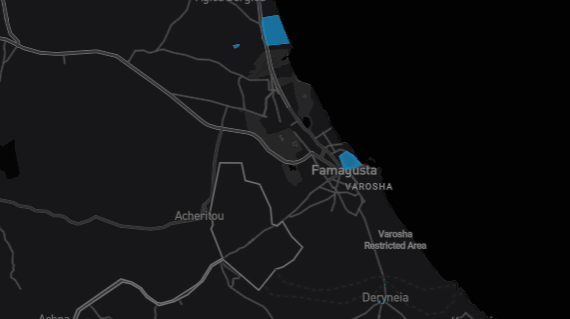
For Famagusta, five maps already existed, but additional research was carried out to create a new map covering Deryneia, adding new memories for the Walled City and providing extra information for the surrounding area of Salamis Ancient City.
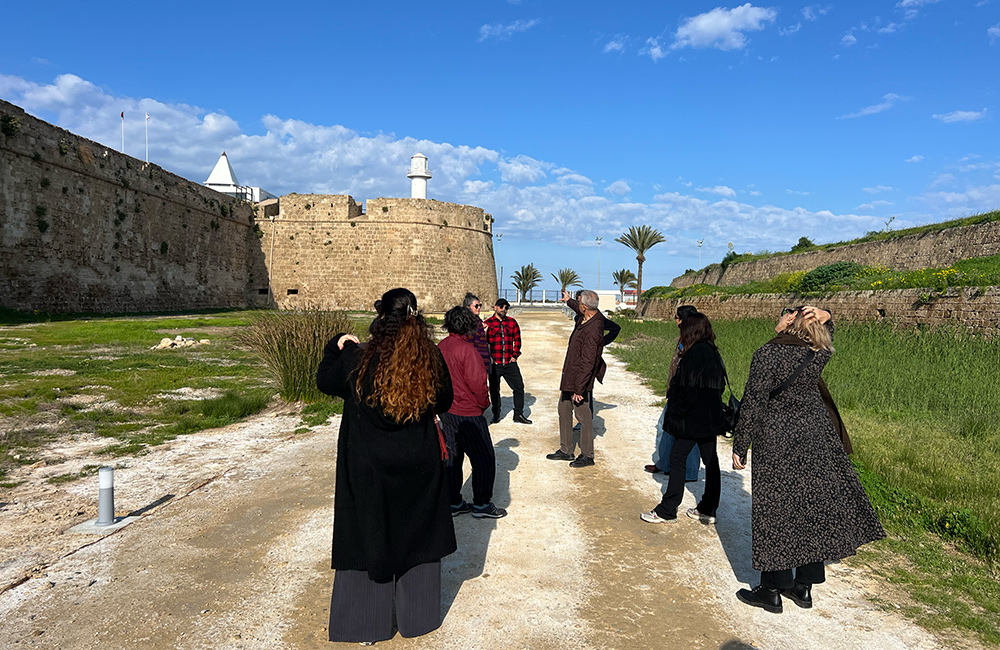
These geo-located sound maps offer visitors a unique way to explore the cities through the voices and personal stories of its residents. Self-guided walking tours allow both locals and visitors to experience shared histories in an immersive way, connecting communities across Cyprus and giving life to the memories embedded in public spaces.
The initiative brought communities together through two immersive, in-person events in Limassol and Famagusta, allowing participants to explore shared memories and reconnect with local histories.
In Limassol, the day began with a presentation about the initiative and its activities. Attendees then watched two short videos featuring Maro Georgiou and Kıymet Alibey, who shared their memories of Famagusta and Limassol while preparing traditional dishes, Cauliflower Kapamas and Limassol Sweet. After the screenings, participants joined a walking tour through the old Turkish Cypriot neighbourhood, passing by places that had once played an important role in residents’ lives. Each stop brought back stories and memories from the past. The walk concluded at Anagennisi Square, formerly known as Park Gazinosu, where participants played tombala, or dombula, just as previous generations had done. The day ended with traditional Cypriot music and dancing, creating a lively atmosphere filled with memories, connections, and shared traditions.
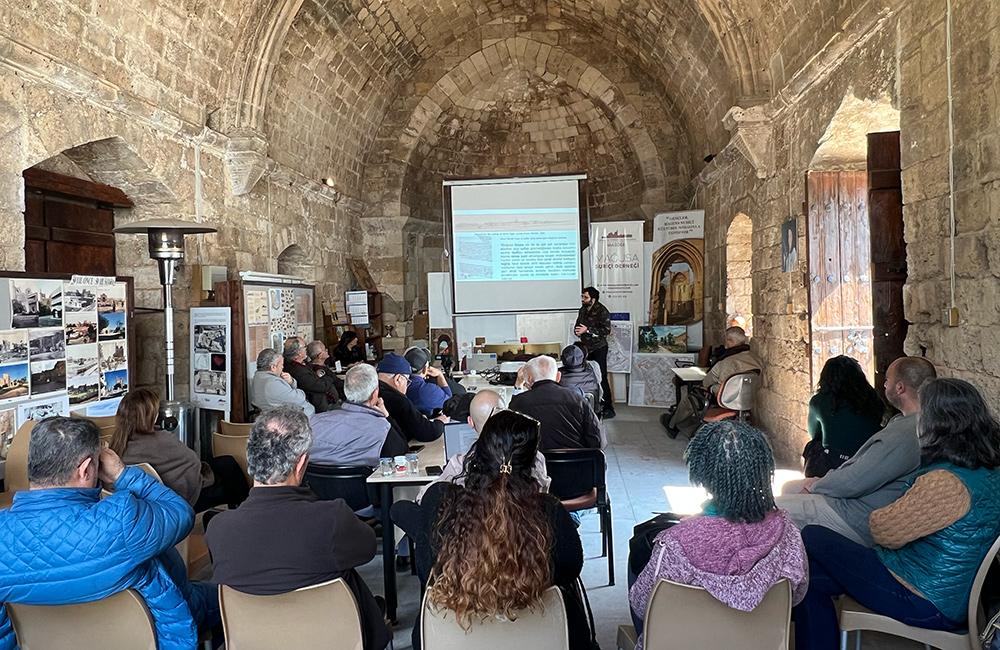
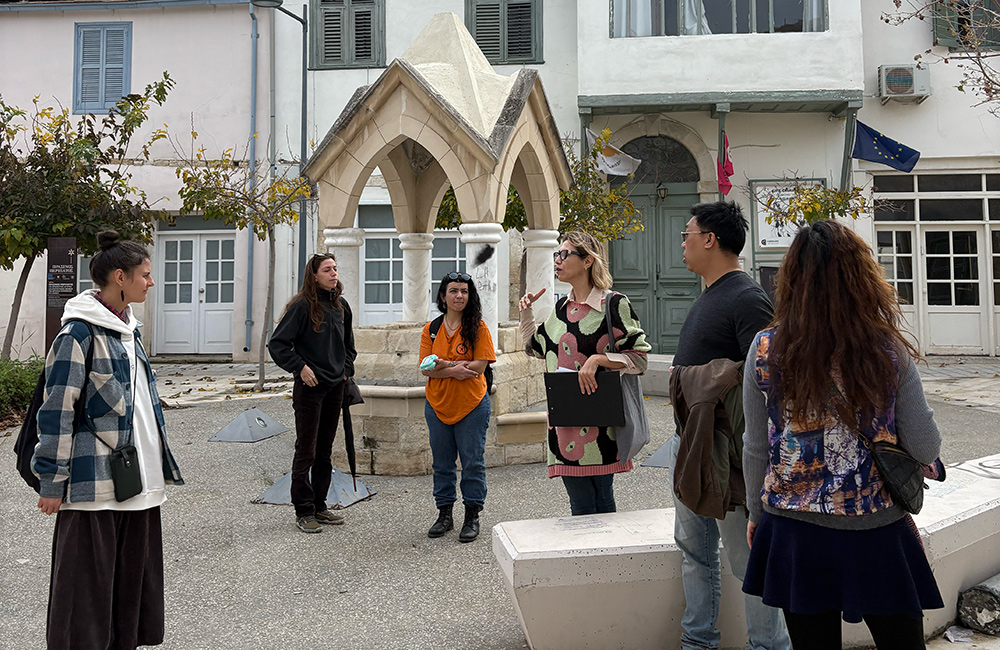
In Famagusta, the event started with an introduction to the initiative and the launch of the new Greater Famagusta Map, which covers the area from Deryneia to Salamis. The team spoke about existing sound maps for Famagusta and presented the new additions. Participants shared memories, explored them together, and engaged in discussions that highlighted the city’s layered histories. The day continued with moments of social interaction and cultural exchange, reinforcing connections between attendees and the spaces they explored.
Both events offered participants a chance to experience shared histories through sound walks, storytelling, and traditional practices. They strengthened intercommunal bonds and created lasting memories, while providing tools such as sound maps, the Famagusta booklet, and local culinary experiences to continue exploring Cyprus’ cultural and historical richness.
You can see all the photos and watch the videos from both of the events on our Facebook page.
Shifting Shores was a transnational project that explored memory, displacement and the role of public space through a programme of workshops, artistic production and community events.
The project took place during the second phase of the VAHA Programme and was carried out through a partnership between the Interwoven Narratives Hub (Famagusta New Museum, Famagusta Walled City Association and MITOS), Hür Adalar from Alanya and Hiša! from Maribor. By bringing together organisations working in different places, the project created a shared space for artistic and research-based work on migration, belonging and collective memory across the Mediterranean.
Through exchanges, residencies, publications and public activities, the project invited artists, researchers and local communities to reflect on stories of movement, place and identity.
As part of the project, five exchange workshops were organised and led by the partner organisations according to their areas of experience.
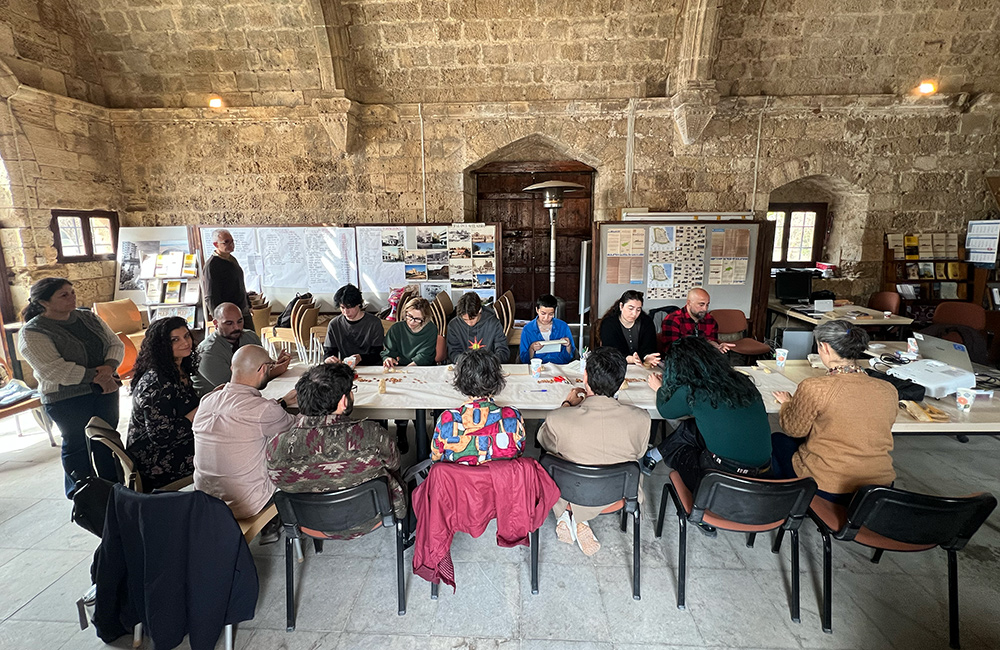
These workshops introduced participants to a range of artistic and research methods including oral history, sound mapping, art publishing and participatory research practices. Each session brought together artists, researchers and cultural practitioners from the partner regions, allowing them to share methods, develop ideas and explore new ways of working with communities and local histories.
The workshops also provided an opportunity for the partner organisations to deepen their collaboration. By working together and exchanging knowledge, the partners strengthened their network and supported the professional development of the participating artists.
One of the key outcomes of the project was the publication Shifting Shores, prepared during an artist residency in Alanya with artists from Turkey, Greece and Cyprus.
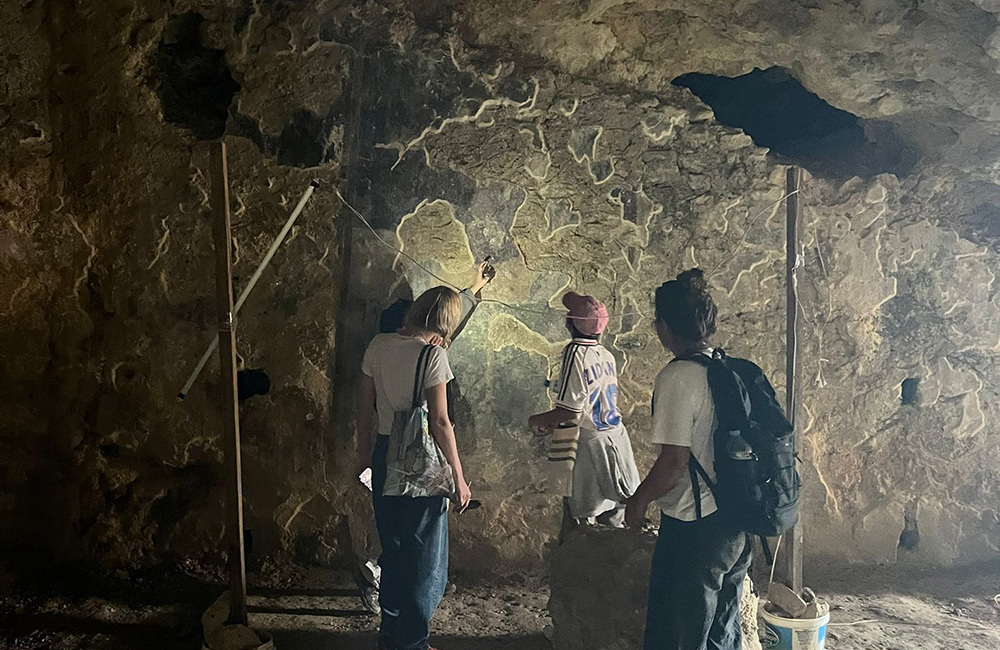
The residency brought together participants to carry out field research, exchange ideas and work collectively on texts and artistic responses related to migration, place and belonging. Through walks, discussions, archival exploration and collaborative writing sessions, the artists reflected on the histories and present realities of displacement in the Mediterranean.
The resulting publication combines research, essays, visual material and artistic contributions. It brings together stories of migration, memory and place, forming a shared archive created across borders.
You can view the publication here
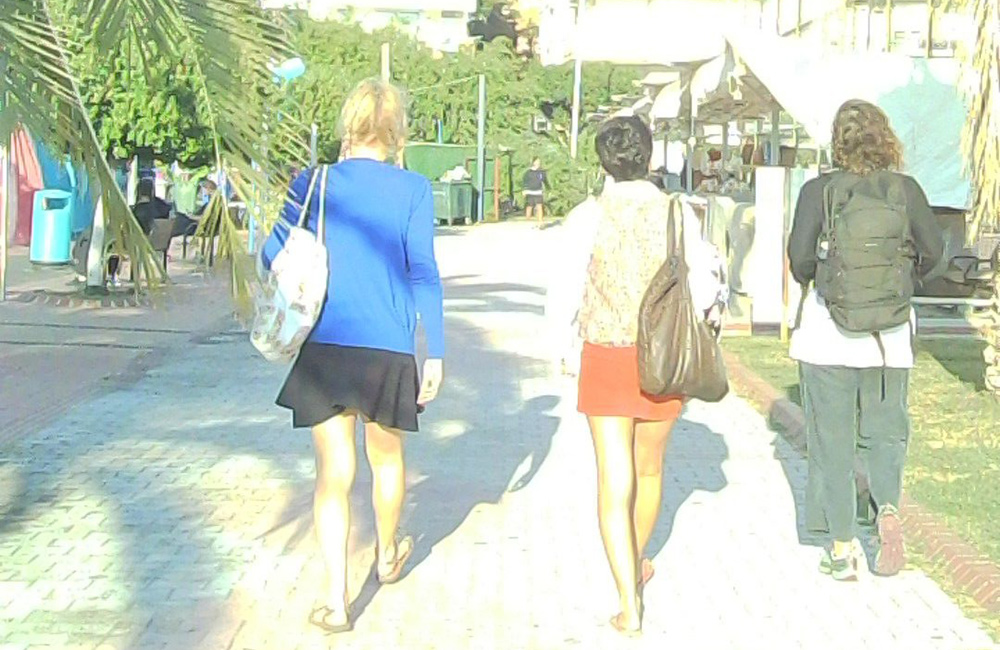
As part of the project activities in Limassol, the partner organisation Center of Performing Arts – MITOS organised a public screening of two short films produced during the first phase of the project. The films explore themes of displacement and belonging through the lens of food, highlighting how everyday practices and shared meals can carry memories of migration and home.
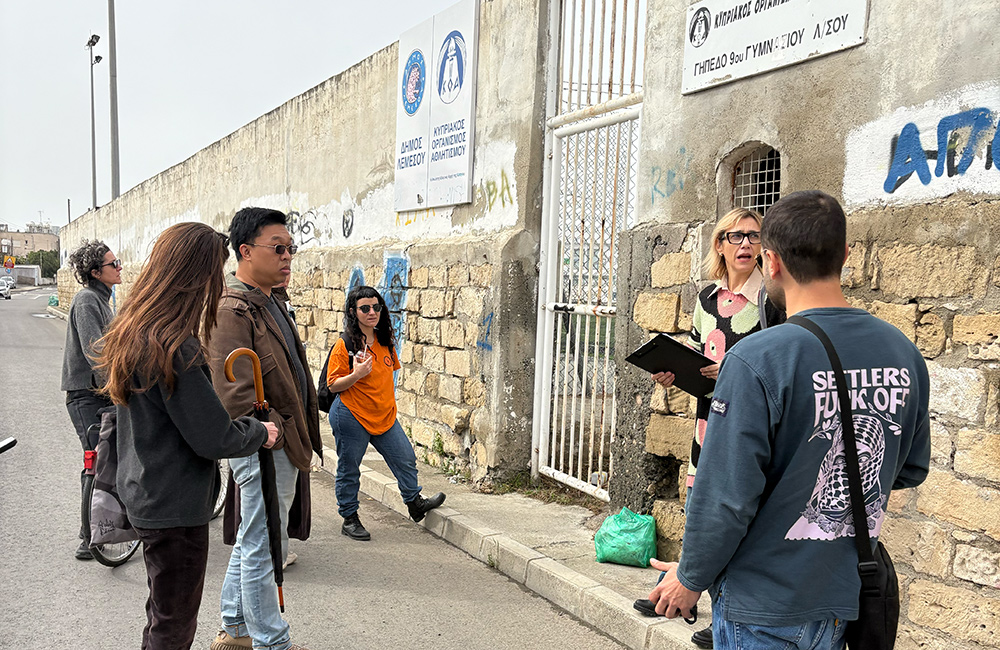
The programme in Limassol also included a guided walk and discussion of the Limassol sound map, which invited participants to explore the city through stories connected to memory, movement and place. During the walk, participants listened to selected recordings and reflected on how personal narratives and urban spaces intersect, opening a conversation about the changing character of the city and the experiences of those who have moved through it.
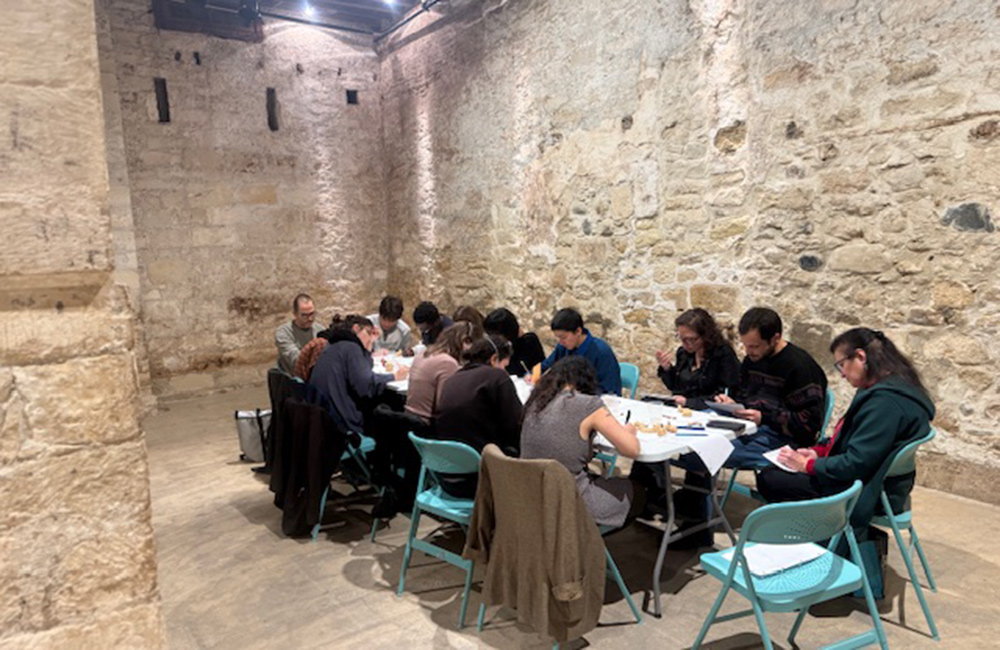
In addition, the workshop (un)spelling, developed by artist Miriam Gatt during the Alanya residency, took place at Xydadiko. The session brought participants together to experiment with writing and language, exploring how words, fragments and personal stories can be reshaped to reflect experiences of migration, identity and belonging.
Another outcome of the project was the creation of three new sound maps, presented in Maribor in March 2026.
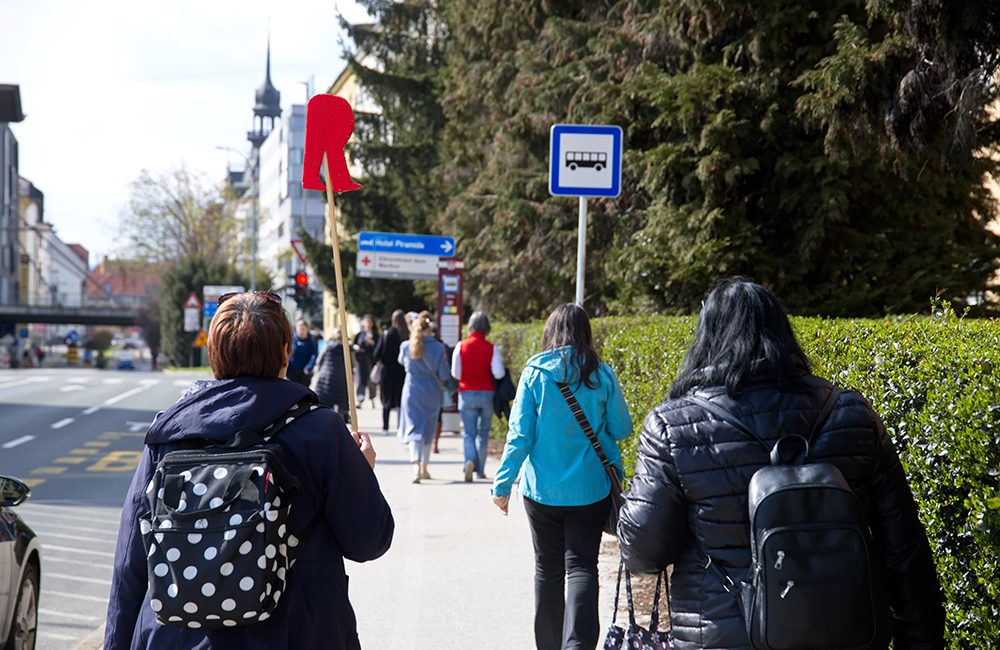
The sound map gathered together stories and audio recordings connected to the city and its surroundings. Through recorded memories, ambient sounds and narratives linked to migration and place, the work invited participants to reflect on how memory is connected to landscape and urban space.
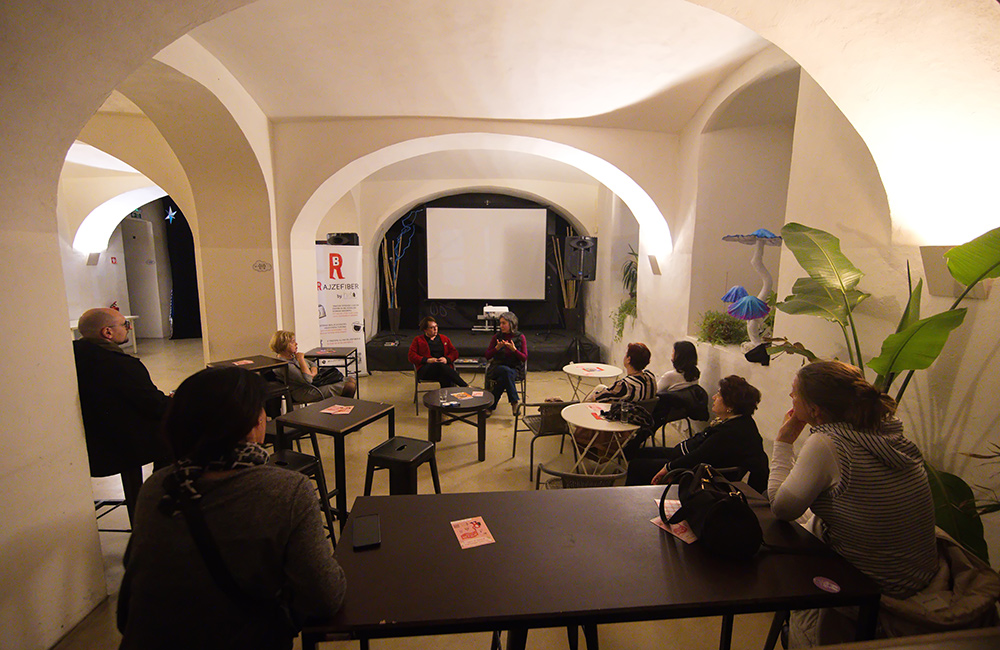
The event in Maribor also included a public discussion about the activities carried out in Cyprus during the project. In addition, two short films produced during the first phase of the project were screened. These films explored displacement through food and everyday cultural practices.
These activities took place as part of the annual Festival of Walks.
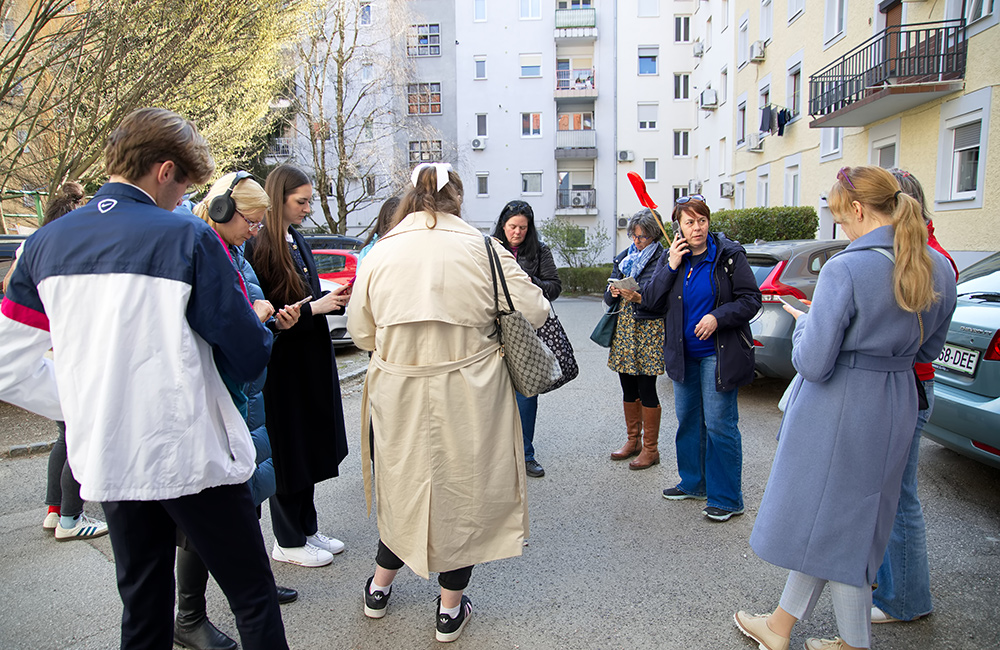
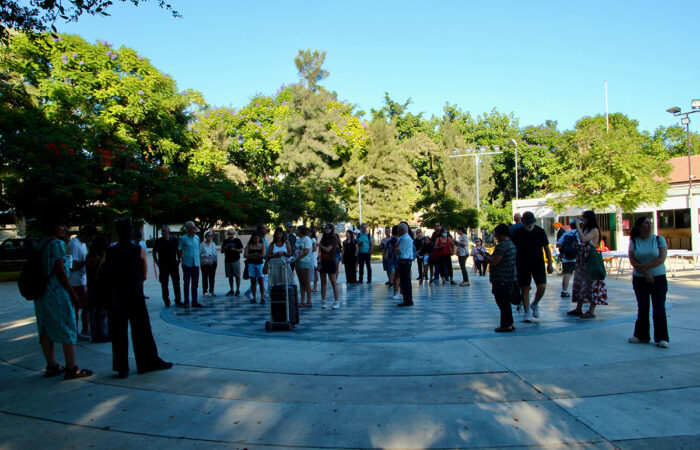
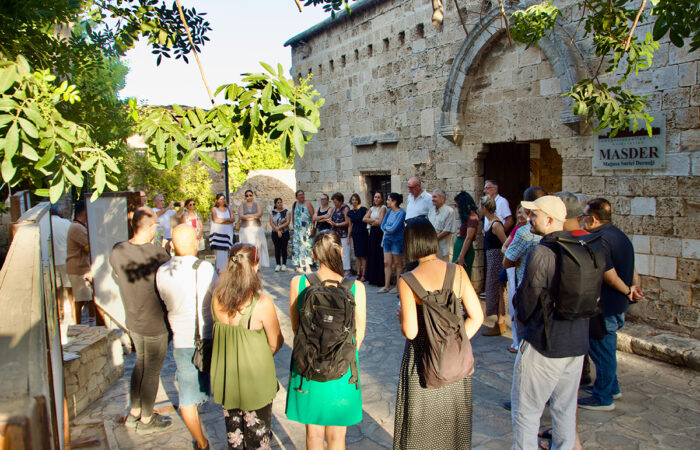
Shifting Shores concluded on 7 March 2026 with a public event in Famagusta, where the outcomes of the project were presented to participants and the wider community.
The programme began with opening remarks at the Famagusta Walled City Association, followed by a presentation by researcher Okcan Yıldırımtürk on exile and spatial politics in Ottoman-era Famagusta.
The event continued with a reading from the publication by artist Miriam Gatt, who had taken part in the Alanya residency. She also facilitated a workshop titled (un)spelling, developed during the residency. The workshop explored language, migration and the ways in which personal stories can be re-written through artistic practice. A second edition of this workshop was later scheduled to take place in Limassol.
The final part of the programme was the “Hijacked Memory” sound walk by artist Inal Bilsel. Based on the artist’s childhood memories, the walk invited participants to experience the city through stories of memory and migration. Through sound recordings and personal narratives, the walk offered a reflective view of everyday life in Famagusta during the 1990s, particularly in the Varosha area, and provided a different perspective on the city’s recent past.
Through artistic collaboration, research and public engagement, Shifting Shores created opportunities to share stories across borders and encouraged reflection on the complex histories of displacement and belonging in the Mediterranean. The project connected artists, organisations and communities from different regions while building a collective archive of memories linked to place, migration and identity.